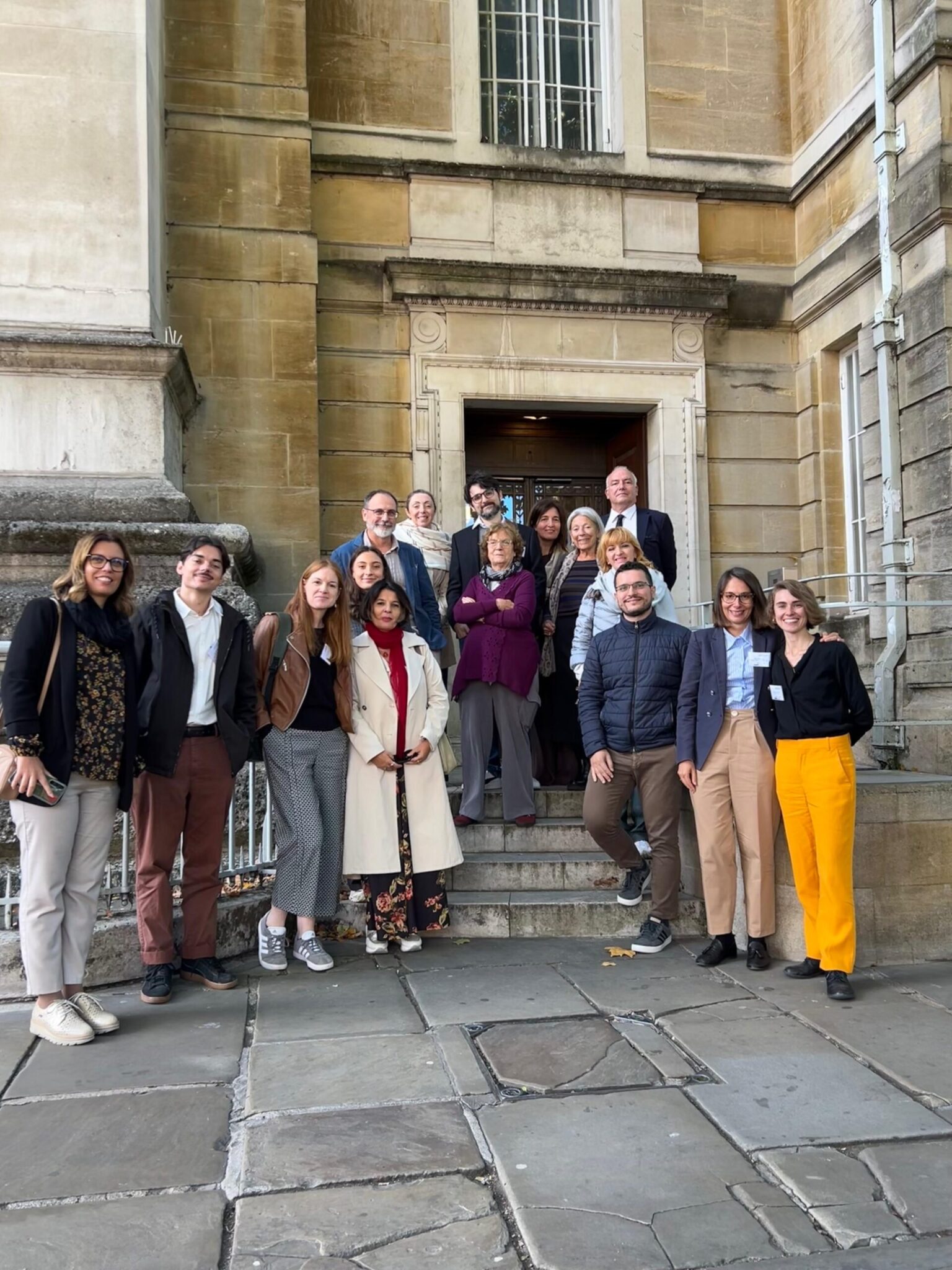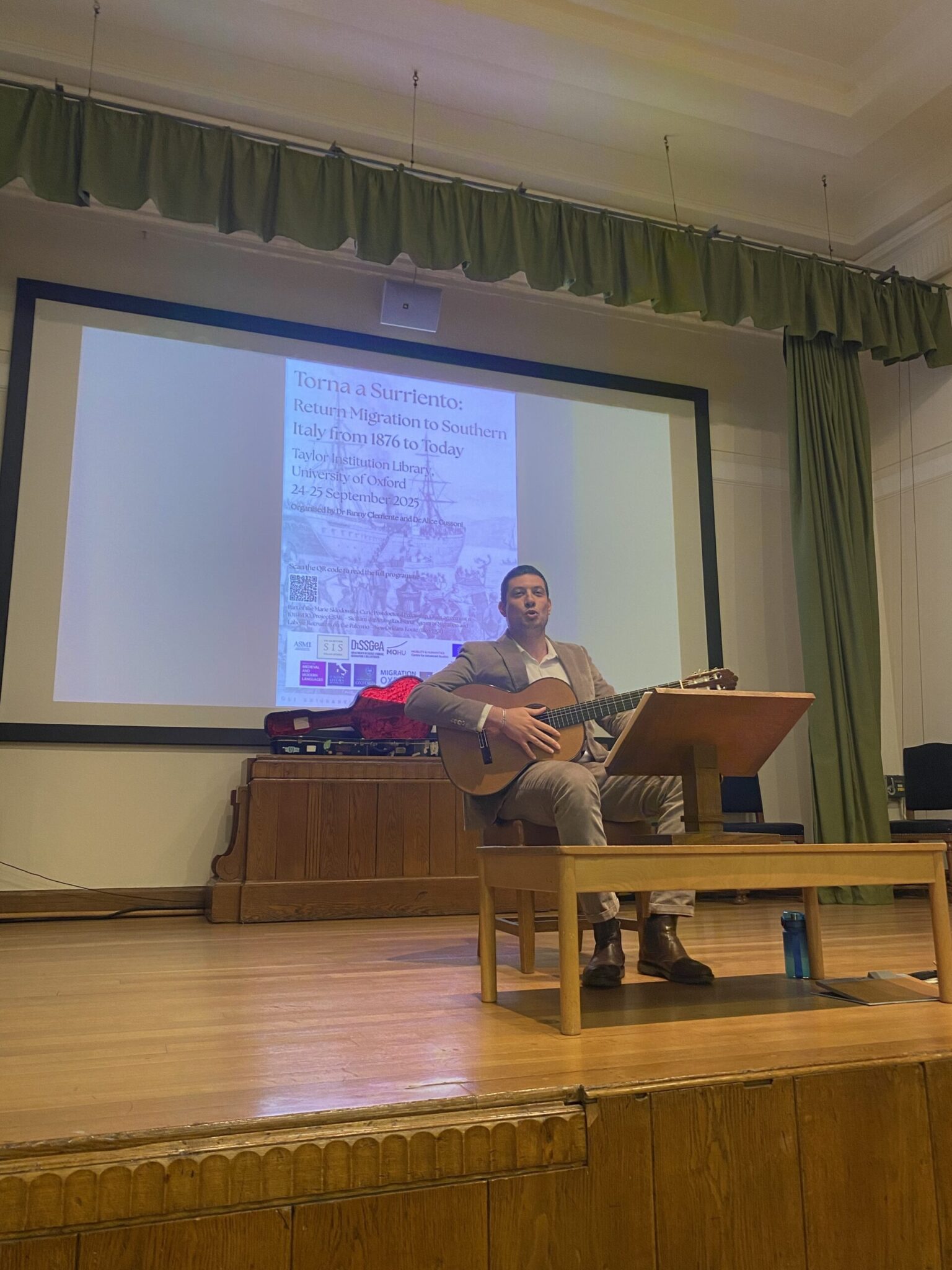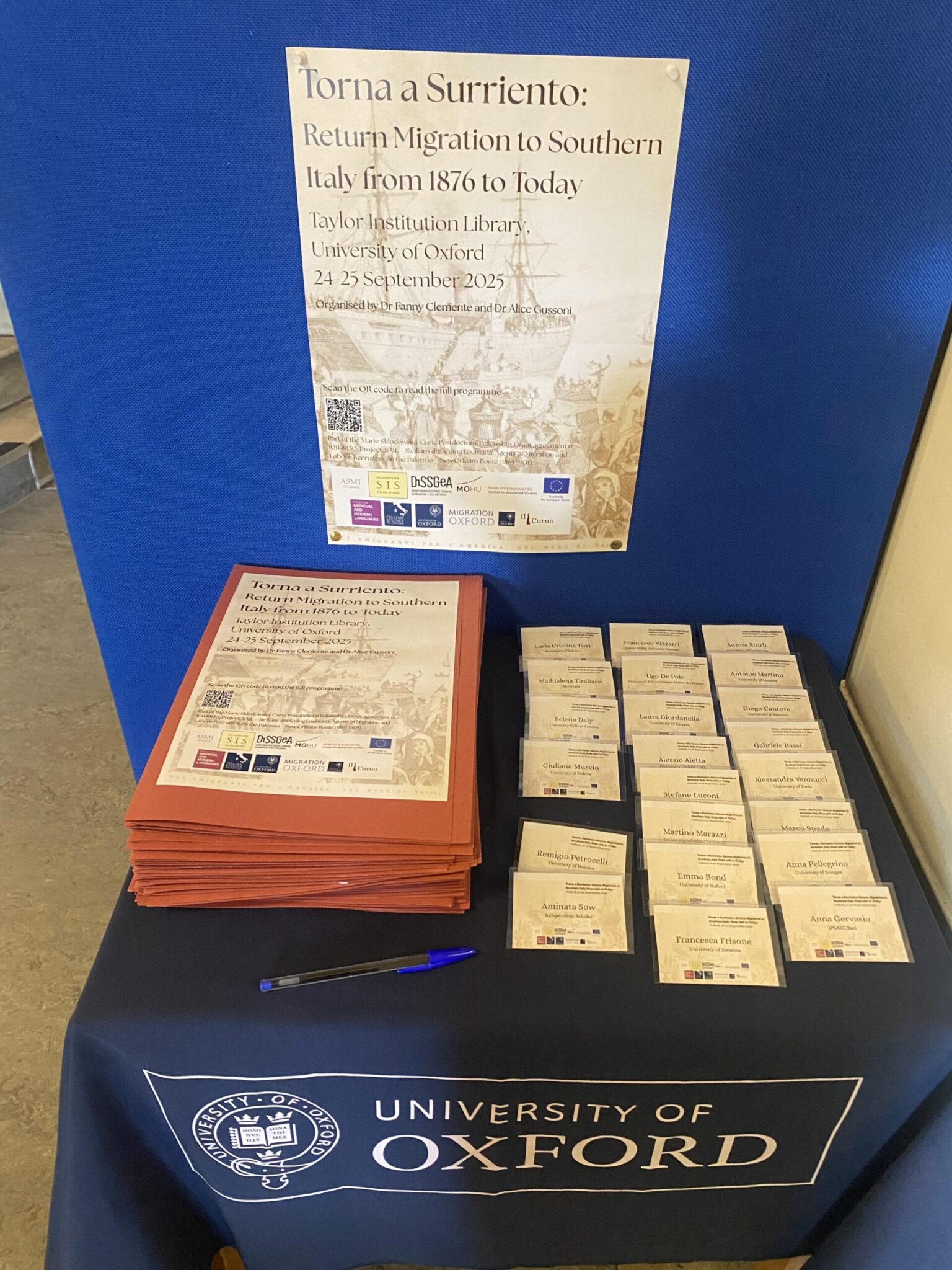
The two-day conference “Torna a Surriento”: Return Migration to Southern Italy from 1876 to Today took place at the Taylor Institution Library, University of Oxford on 24-25 September 2025. The conference explored the many aspects of return migration to Southern Italy from the late 19th century to the present day. Bringing together historians, literary and cultural scholars, it examined the economic and political dynamics, cultural and artistic responses, and personal and collective memories of return, both imagined and experienced, from a deeply interdisciplinary perspective. The programme combined academic panels with keynote lectures and a concluding musical event on Neapolitan songs of return by Diego Cantore.
From a historical point of view, several speakers emphasised the need to start reconsidering the four categories of return migration introduced by Cerase in 1971 – failure, conservation, investment, retirement – in light of the multiplicity of experiences that, especially in recent decades, are becoming increasingly complex. Similarly, artistic approaches have highlighted the difficulty of categorising returns in a univocal manner, as well as leading to reflect on collective experiences of return. The same complexity has been highlighted in literature, where writers from the early 20th century to the present day have been examined, from Pirandello, who tended to treat the topic of return migration marginally, to contemporary writers such as Claudia Durastanti, Mario Desiati and Vincenzo Latronico, who are the spokespeople for a narrative of emigration and return that has become increasingly pervasive, not to say fashionable.
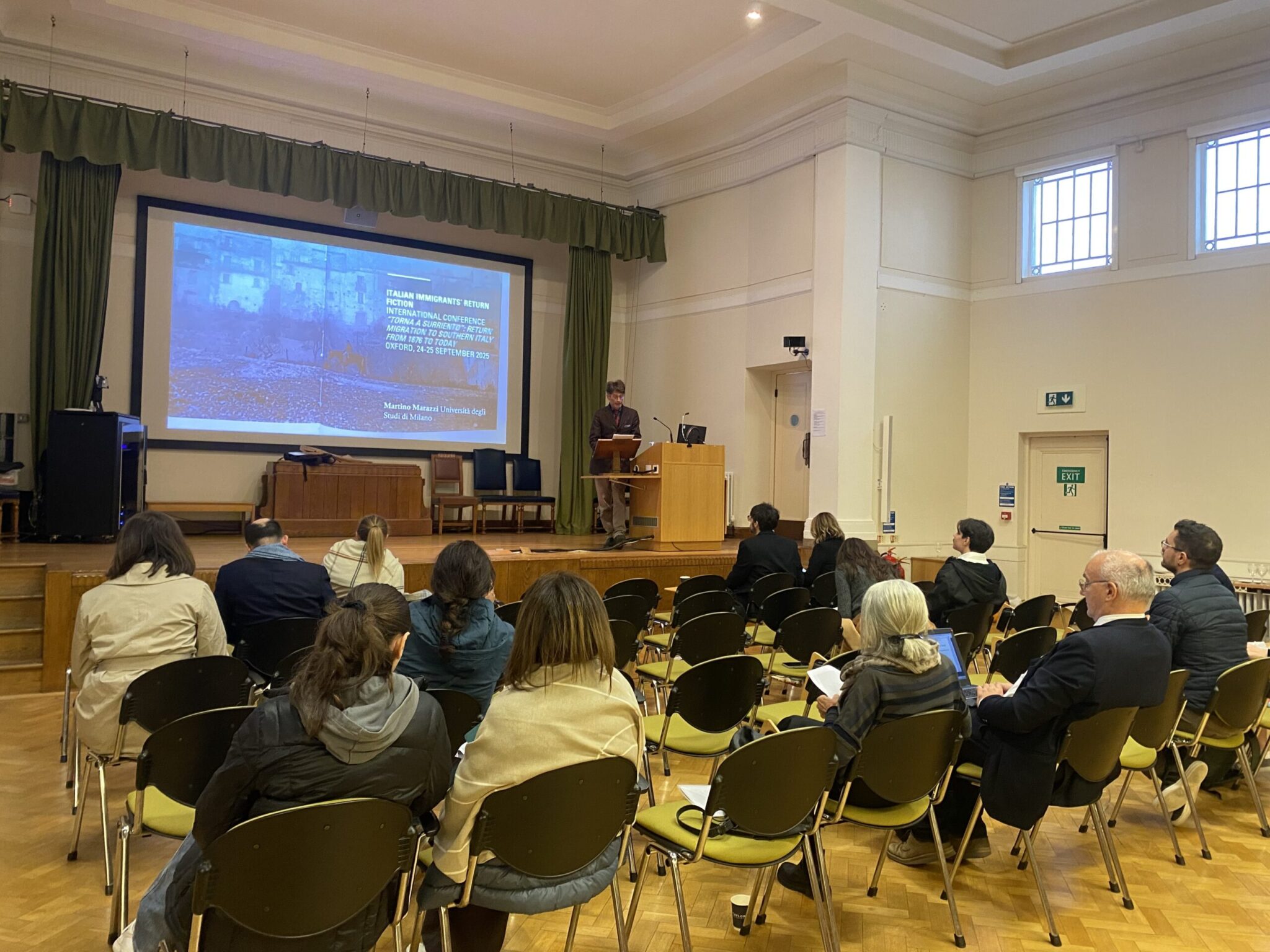
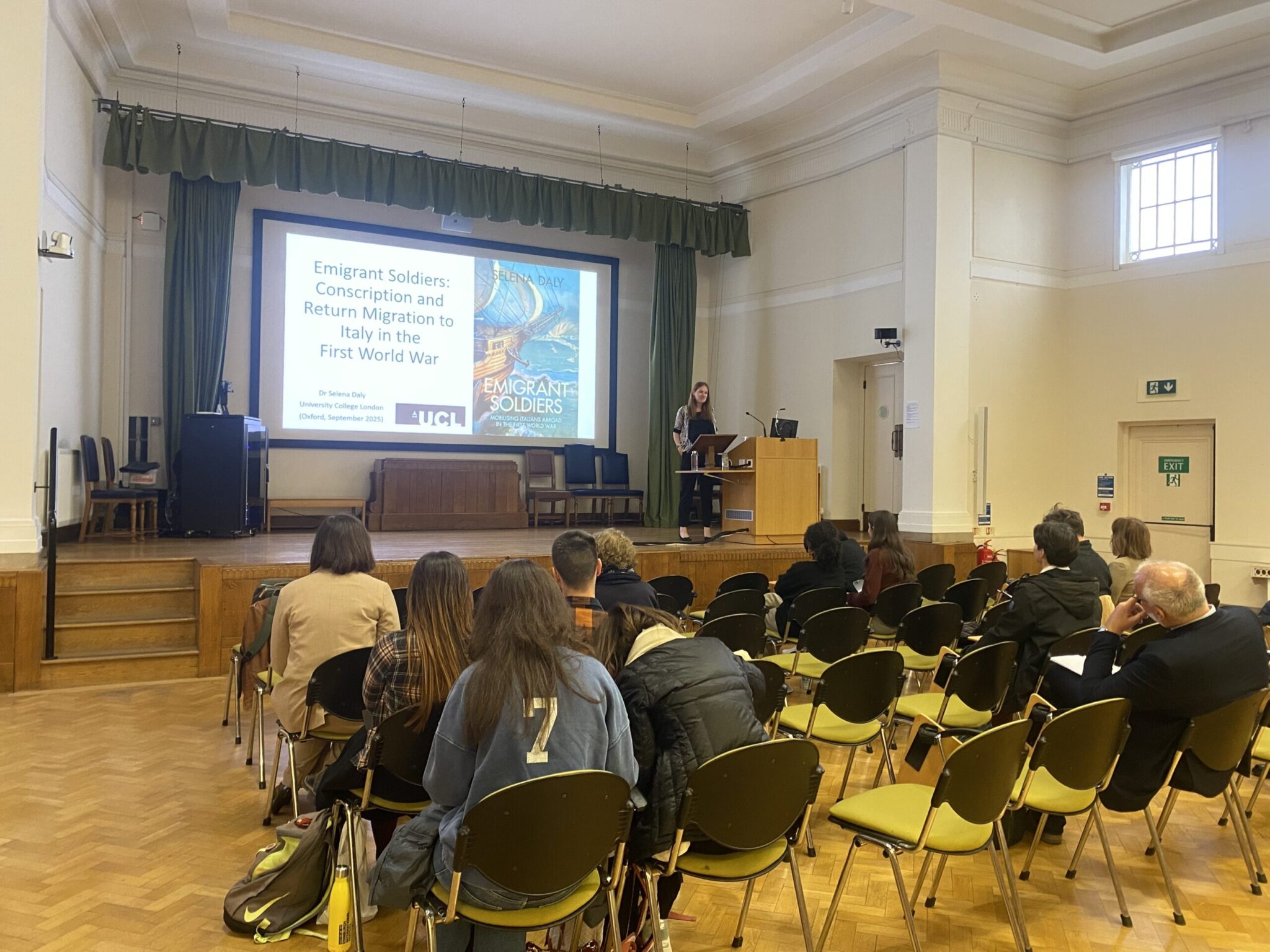
The presentations by the two keynote speakers, Selena Daly and Martino Marazzi, reflected the interdisciplinary nature of the conference. Selena Daly spoke about some aspects of her most recent book, Emigrant Soldiers. Mobilising Italians Abroad in the First World War, illustrating with a microhistorical approach the experience of returning to Italy and the commitment to the front of two Italian emigrants. Martino Marazzi, on the other hand, offered us a broad and detailed overview of diasporic literature on return, highlighting its successes, failures, criticisms and debates: from the best-known texts such as Mario Puzo’s The Godfather to the controversies sparked by Pietro Di Donato’s texts.
The conference was a success, with attendees particularly praising its interdisciplinary approach and the open and lively exchange that followed panels and keynotes. All speakers expressed their willingness to collaborate in the future, continuing to reflect on the subject. Indeed, the organisers are already at work to turn the “Torna a Surriento” conference into a larger project, starting with the curation of an edited volume on the topic.